

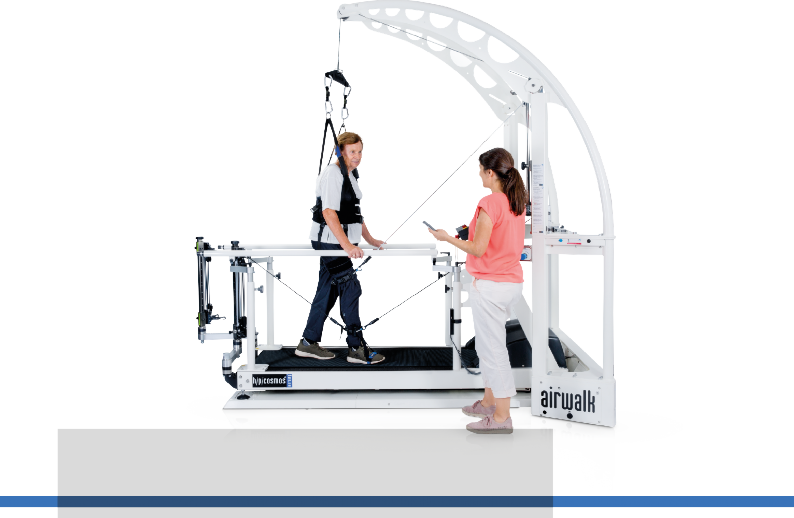
user application manual
treadmill therapy in rehabilitation
Dr. Cornelia Schlick Physiotherapist
Application specialist for gait analysis and therapy
Version: 20. April 2021
The copyright of this document, media, design, software and intellectual property is owned by h/p/cosmos sports & medical gmbh, except where explicitly stated differently.
WARNING: All rights reserved. Unauthorized copying, reproduction, hiring, lending, public performance and broadcasting prohibited.
ahead of time®
Content
Dynamic body weight support system: airwalk® ap 9
[4C] Putting on the vest or shorts 10
[4D] Adjusting the airwalk® ap 11
Active gait trainer: robowalk® 12
[5A] Structure and function 12
Exercises for treadmill therapy with neurological and orthopaedic gait disorders 18
[6A] Exercises according to difficulty 18
[6A1] Difficulty level 1: walking at a comfortable speed, with the support of the body weight support system airwalk® ap and with the help of the handrails 18
[6A2] Difficulty level 2: Walking with successive reduction of support 20
[6A3] Difficulty level 3: Walking in different speed sectors 21
[6A4] Difficulty level 4: Walking on slopes and inclines 21
[6A5] Difficulty level 5: Forward, sideways and backward walking 22
[6A6] Difficulty level 6: Integration of cognitive dual tasks 22
[6A7] Difficulty level 7: Integration of motor dual tasks 23
[6A8] Difficulty level 8: Integration of combined dual tasks 24
[6B] Exercises with the active gait trainer robowalk® 25
[7A] Hemiparetic gait (e.g., stroke, traumatic brain injury) 29
[7B] Paraparetic gait disorder(e.g., multiple sclerosis, traumatic spinal injury) 29
[7C] Gait disturbance after surgical insertion of total hip arthroplasty 30
List of Figures
Figure 1. Adjustable handrail with arm rests 6
Figure 2. Dynamic body weight support system 6
Figure 3. Long handrail with adjustable arm supports 6
Figure 5. Elevation and reverse belt rotation. 7
Figure 6. Active gait trainer 7
Figure 7. Single point suspension allows rotations in all directions 9
Figure 8. Single point suspension 9
Figure 9. Putting on the vest in standing position 10
Figure 10. Putting on the vest in the seat 10
Figure 11. Putting on the shorts 11
Figure 12. Adjusting the load reduction 11
Figure 13. Longitudinal bars with expander pairs at front and rear 12
Figure 14. Leg cuffs (yellow: largest circumference) and arm loops 12
Figure 15. Effect of the expander cables 12
Figure 16. Possible applications of the active gait trainer robowalk® in the individual categories of the internationally used Functional Ambulation Categories (FAC) 13
Figure 17. Tensile force of the expanders as a function of the angle of pull 14
Figure 18. Tensile force of the expanders as a function of position 14
Figure 19. Locking device in the preloading element 14
Figure 20. Pivoting the rear expander bars 15
Figure 21.Moving the front expander bars 15
Figure 22. Variation of the tensile direction with the robomove® 16
Figure 23. Putting on the leg cuffs 16
Figure 25. Training with arm straps 16
Figure 24. Removing the spring hooks 16
Figure 26. Expanders on the vest 17
Figure 27. Determination of the degree of difficulty in the course of training. 18
Figure 28. Walking in the lower difficulty level with medially adjusted arm supports and low speed. 19
Figure 29. Walking with metronome 19
Figure 30. Coloured marking 20
Figure 31. One-sided holding 20
Figure 32. Holding on to elastic bands 21
Figure 35. Forward, sideways and backward walking 22
Figure 36. Stroop exercise while walking 23
Figure 37. Alternating head movements to the left and right 23
Figure 38. Carrying a basket while walking 24
Figure 39. Throwing and catching a ball while walking 24
Figure 40. Single-sided installation of the robowalk® active gait trainer in support mode. 25
Figure 41. Hip flexor training without and with incline. 26
Figure 42. Hip extensor training (gluteal muscles) 26
Figure 43. Hip extensor training (ischiocrural muscles) 26
Figure 44. Hip abductor training with different expander systems 26
Figure 45. Hip abductor training with different expander systems 27
Figure 47. Knee extensor training 27
Figure 48. Training of the lateral trunk muscles 27
Figure 49. Training of the posterior torso muscles 27
Figure 50. Training of the active arm swing 28
For reasons of better readability, the simultaneous use of masculine and feminine forms of language has been dispensed. All references to persons apply equally to both genders.
This application manual is supported with video examples for better visualisation.
Aside many relevant exercise or illustration you will find the appropriate QR code to scan and a clickable text link. These will take you to the relevant example video.




In addition, a YouTube playlist has been created where you can watch all the videos produced in sequence. Here are the direct links to the matching playlist on:


Read and follow also all warnings and instructions of use (operation manuals) of the individual involved medical devices (treadmill, unweighting device, robowalk®, robomove®, etc.).
Latest h/p/cosmos operation manuals / IFUs: https://www.hpcosmos.com/en/contact-support/media-downloads/manuals Latest h/p/cosmos safety information: https://www.hpcosmos.com/en/safety
Disregard of safety information, intended or forbidden use, as well as unauthorized maintenance or lack of maintenance and regular safety checks may lead to injury or even death and can damage the device. Furthermore, this will result in loss of liability and warranty.
Intended Use / Indications / Target Population
It is impossible to list all indications, target population (age, gender, weight range, height range) and target user groups for treadmill training and treadmill testing, since the indications, target population and target user groups most likely correspond to recommendations for walking and/or running overground.
The treadmill, robowalk® and unweighting device do not provide recommendations for treatment and target population.
It is important to notice that the decision to use the devices with their potential risks and complications for diagnosis, rehabilitation or therapy of a particular patient is the essential responsibility of the medical operator.
The clinical user’s judgment, on the other hand, must be based on current knowledge in medical science and the specific situation of the patient. The indications, target population and target user groups for treadmill testing and treatment have to be decided by the medical doctor and primarily have to be derived from international accepted guidelines.
Examples:
The NEW ENGLAND JOURNAL of MEDICINE Body-Weight–Supported Treadmill Rehabilitation after Stroke https://www.ctsi.ucla.edu/education/files/view/training/docs/dobkin-NEJM-BWSTT-after-stroke.pdf
American Academy of Family Physicians Foundation Physical Therapy and Rehabilitation Journal
Robotic-Assisted, Body-Weight–Supported Treadmill Training (BWSTT) in Individuals Following Motor Incomplete Spinal Cord Injury
https://academic.oup.com/ptj/article/85/1/52/2805006
2020 ESC Guidelines on Sports Cardiology and Exercise in Patients with Cardiovascular Disease ESC European Society of Cardiology Clinical Practice Guidelines https://academic.oup.com/eurheartj/article/42/1/17/5898937
ACC/AHA Guidelines for Exercise Testing.
A Report of the American College of Cardiology/American Heart Association Task Force on Practice Guidelines (Committee on Exercise Testing) https://www.jacc.org/doi/pdf/10.1016/s0735-1097%2897%2900150-2
For reasons of better readability, the simultaneous use of masculine and feminine forms of language has been dispensed with. All personal designations apply equally to both genders.
h/p/cosmos®, robowalk®, airwalk®, robomove® and various treadmill model names, such as pluto®, mercury®, quasar®, pulsar®, locomotion®, etc. are registered trademarks of h/p/cosmos sports & medical GmbH, h/p/cosmos holding GmbH or Franz Harrer.
[1] Purpose and structure of the user manual
The user manual serves as a clinical reference book for users of h/p/cosmos treadmill systems in the field of rehabilitation. The first part introduces the treadmill with its features specific to rehabilitation. This includes for example the (dynamic) body weight support system "airwalk® ap" and the active gait trainer "robowalk®”. In the following part, exercises for treadmill therapy in neurological and orthopedic-related gait disorders are suggested. The exercises are sorted according to their degree of difficulty. In addition, different settings of the "robowalk®" are discussed. The third part contains some case studies, for each of which a possible treatment session is shown.
[2] Requirements for a treadmill in rehabilitation
From a clinical point of view, the following specifications of the treadmill system are useful or necessary for use in rehabilitation:
In order to make use of a wide range of exercise possibilities (in addition to walking, for example, speed changes and rotation on the treadmill), the dimensions of the running surface should be at least 150 cm in length and 50 cm in width.
Because some patients initially achieve very slow gait speeds, the
speed range should start at 0.2 km/h (Lamprecht, 2018).
To provide patients with adequate opportunities to stabilize themselves while walking, handrails should be installed that are ideally adjustable in height and have arm rests (Lamprecht, 2018). Figures 1 and 3 show different handrail options.
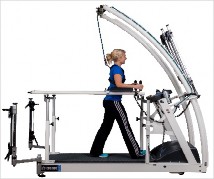
Figure 1. Adjustable handrail with arm rests
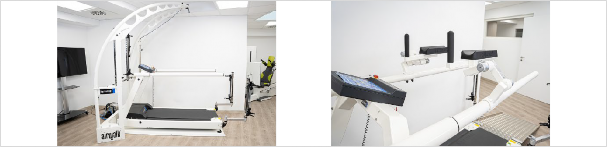
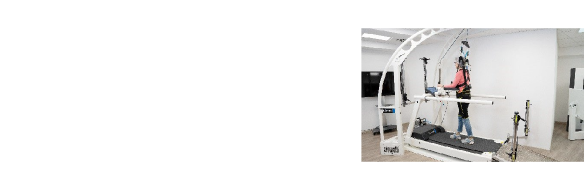
Figure 2. Long handrail with adjustable arm supports.



Figure 3. Dynamic body weight support system
| ||||||
A wheelchair ramp allows easy access to the treadmill (see Figure 4).
In order to make the treadmill training more challenging and similar to everyday life, elevation as well as a reverse belt rotation is favourable (see Figure 5). In this way, walking uphill and downhill can be trained (Lamprecht, 2018).
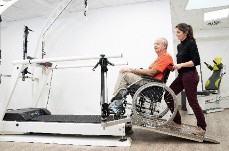
Figure 4. Wheelchair ramp
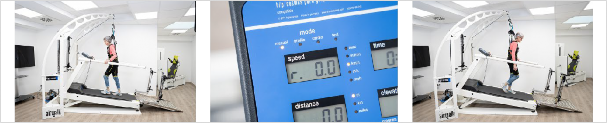
Figure 5. Elevation and reverse belt rotation.




youtu.be/ud9SKza_5mk cloud.hpcosmos.com/s/robowalk_fig_5
The active gait trainer "robowalk®" (see Figure 6) is suitable for providing patients with different degrees of impairment with appropriate support or resistance during gait training. It can support the patient in taking a step while walking or can also be used to strengthen the leg muscles.
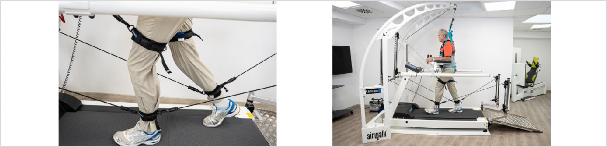



Figure 6. Active gait trainer
| ||||||
[3] Advantages of treadmill therapy in rehabilitation
Treadmill therapy offers the following advantages in comparison to conventional gait training (e.g., practicing walking on a straight path, with or without assistive devices):
Higher training intensity due to a high number of repeated steps or gait cycles
On the one hand, this stimulates neuroplastic processes and promotes motor learning, while on the other hand, improved gait endurance and a prolonged walking distance are achieved.
Evidence-based therapy method
The effectiveness of treadmill training (possibly with body weight support) has been proven in numerous patient groups in high-quality studies. In some cases, the positive study results are summarized in systematic reviews or meta-analyses. This applies, for example, to the following patient groups: stroke (Mehrholz et al., 2017 / Abbasian et al., 2018 / Polese et al., 2013), Parkinson's disease (Mehrholz et al., 2016 / Robinson et al., 2019), multiple sclerosis (Robinson et al., 2019), and children with neuromotor development disorders (e.g., infantile cerebral palsy; Valentín-Gudiol et al., 2017).
Safe training environment
This enables training for patients with a range of degrees of impairment. For example, more severely affected patients can also train walking, especially if the treadmill has features such as adjustable handrails, a body weight support system and the robowalk® expander. In addition, training can be designed with an appropriately challenging level of difficulty. For example, complex demands while walking (dual tasking, etc.) can be practiced without the risk of falling.
Relief of the therapeutic team
Therapeutic staff are greatly relieved when training the walking ability with impaired patients, as the necessary manual support when walking on normal surfaces is no longer required. Various features are essential, such as the body weight support system and adjustable handrails. The robowalk® expander can additionally replace the manual guidance of the legs by one or two therapists for severely affected patients.
Training and testing under constant conditions and adjustable parameters
This creates an environment in which reliable measurements can be made, e.g. of the gait pattern. In addition, parameters such as gait speed can be set on the treadmill. Therefore, it is possible to train towards specific gait speeds. In the course of rehabilitation, for example, the speed target to be achieved may be 1.2 m/sec in order to safely cross the road at a traffic light.
Low space requirement
The treadmill system requires comparatively few spatial resources since gait testing and training are performed on a stationary basis. The need for large premises and long walking distances is thus eliminated.
The body weight support system airwalk® ap enables partial body weight relief and provides support during gait training on the treadmill. The system essentially consists of the treadmill platform, two arches that extend above the treadmill like a crane, the body weight support unit, and the unweighting bar. A special vest or shorts that the patient wears is attached to the unweighting bar. The single-point suspension (see Figure 8) allows dynamic vertical movements that occur naturally while walking, as well as different walking directions on the treadmill, e.g. forward, backward and sideways walking (see Figure 7).
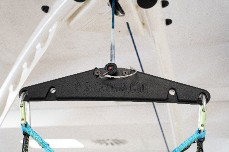
Figure 8. Single point suspension
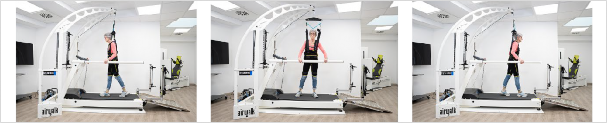
Figure 7. Single point suspension allows rotations in all directions.
| ||||||



The body weight support system airwalk® ap is suitable for rehabilitation of gait disorders of different patient groups: On the one hand, for patients with severe neurological-related impairment of walking, when the weight cannot be adequately transferred to the standing leg, e.g. after a stroke, multiple sclerosis, Parkinson's disease, after a craniocerebral trauma or a spinal cord injury. On the other hand, for patients with orthopedic or surgical indications, e.g., after operations of the lower extremities, where only partial weight-bearing is possible.
[4C] Putting on the vest or shorts
Before training on the treadmill with the airwalk® ap, the vest or shorts are put on. For fall protection, the patient should also wear a chest belt.
Putting on the vest
Depending on the degree to which the patient is impaired, the vest can be applied while seated (see Figure 10) or in the standing position (see Figure 9). When applying the vest while seated, it can be convenient to place the vest on the seat of the wheelchair, transfer the patient and then fasten the vest. When putting on the vest in a standing position, it is advisable to hook the vest into the unweighting bar and then put it on the patient.
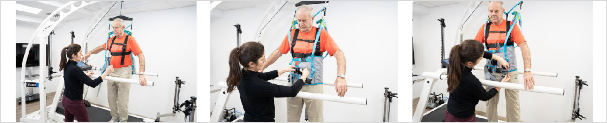



Figure 9. Putting on the vest in standing position
| ||||||
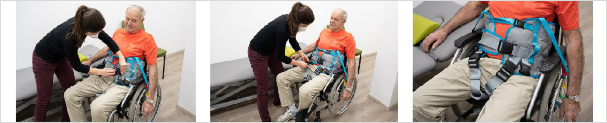



Figure 10. Putting on the vest in the seat
Putting on the shorts
The shorts are worn over the patient's clothing. If possible, the shorts are put on while the patient is standing (Figure 11).
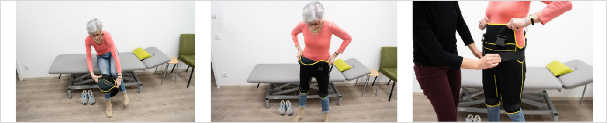




Figure 11. Putting on the shorts
[4D] Adjusting the airwalk® ap
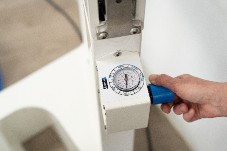
The body weight support is adjusted with the blue rotary knob of the hand control unit. To reduce the load, turn the rotary knob clockwise. To increase it, the rotary knob is turned counterclockwise accordingly (see Figure 12). In addition, the mechanical fall-stop prevention is adjusted via the slide on the right arch. To set the stop position, the handle is pulled out and the slide is moved up or down until it locks into the desired position. The carriage is correctly positioned when the patient's knees do not touch the running belt while hanging in the vest or shorts.


Figure 12. Adjusting the load reduction
| ||||
youtu.be/9QDF2IbQIgo |
[5] Active gait trainer: robowalk®
The active gait trainer robowalk® consists of eight elastic expander cables. Two pairs of expanders are attached to the front and back ends of the treadmill via longitudinal bars (see Figure 13). The expander cables are attached to one or both legs with cuffs, depending on the indication. A distinction is made between left and right cuffs. They are marked "left/right". The color coding indicates the size of the cuff (see Figure 14). Instead of the cuffs, straps can be used which are held with the hands and thus include the arms in the training (see. Figure 14).
The application technique determines the effect the expander has on the gait (see Figure 15). Essentially, two application techniques can be distinguished: "Support mode", in which the expander cables support the direction of movement of the legs, and "Challenge mode", in which they provide resistance against the direction of movement.
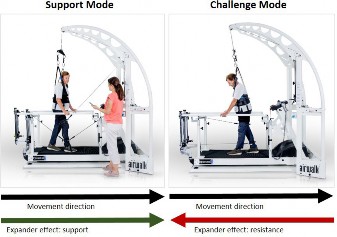
Figure 15. Effect of the expander cables
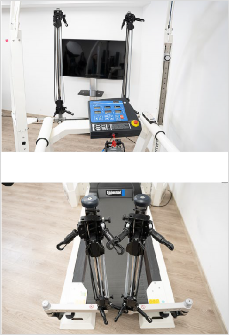
Figure 13. Longitudinal bars with expander pairs at front and rear
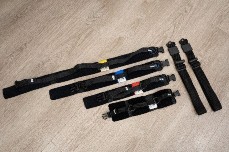
Figure 14. Leg cuffs (yellow: largest circumference) and arm loops.
The active gait trainer robowalk® is suitable for the rehabilitation of gait disorders in various orthopedic, surgical and neurological clinical pictures, for example:
Joint replacement (knee joint, hip joint),
Traumatic injuries of the lower extremities,
Stroke,
Multiple Sclerosis,
Spinal cord injuries,
Brain Injuries,
etc.
The use of the robowalk® system is particularly suitable for:
Patients with severe gait impairment who require guidance and support in the forward movement of one or both legs. Support mode is then selected for gait training.
Patients who benefit from functional resistance training while walking. Challenge mode is then selected for gait training.
Figure 16 uses the Functional Ambulation Categories (FAC, Holden et al. 1984) to show at which ambulation status and in which mode the robowalk® system is used. The possible applications range from FAC 1 to FAC 4. In FAC 1, 2 and 3, the support mode is particularly useful; from FAC 3, many patients have reached an ambulation status in which functional strength training in the challenge mode is appropriate. In FAC 0, robotic gait trainers, e.g., a treadmill system with a motor-driven exoskeleton, should be used according to international study results and guideline recommendations.
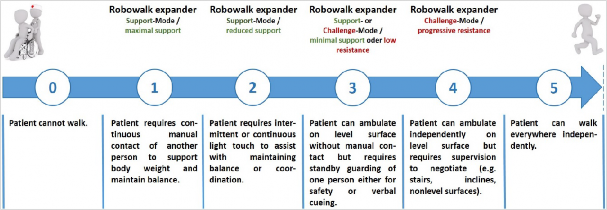
Figure 16. Possible applications of the active gait trainer robowalk® in the individual categories of the internationally used Functional Ambulation Categories (FAC).
The application technique is determined by the desired effect the expanders should have, i.e. depending on whether support or resistance is to be selected, for example. The degree of support or resistance is defined by the tensile force of the expanders. The traction force is set primarily by the traction angles of the expanders and the choice of the gray or black expander. In addition, it can be influenced by locking the expanders and the position of the patient on the treadmill.

Tension angle of the expanders: This can be adjusted via the position of the expanders along the longitudinal bars. The higher the position of the expander, the steeper the tension angle. This increases the tension of the expander and the degree of support or resistance. The lower the position of the expander, the flatter the tension angle. This means that the expander is under less tension and the degree of support or resistance is reduced (see Figure 17).
Choice of gray or black expander: The gray expander has a stronger tensile force than the black expander due to its expansion capabilities. This increases the degree of support or resistance when using the gray expander. It decreases when using the black expander.

Position of the patient on the treadmill: The further the patient moves away from an expander, the higher the resistance. This increases the tension of the expander and the degree of support or resistance. The closer the patient moves toward the expander, the lower the tensile force. Thus, the expander has less tension, the degree of support or resistance is reduced (see Figure 18).

Locking of the expanders: If necessary, the expanders can each be clamped in a tension element on the longitudinal bar. This increases the tension of the expander and the degree of support or resistance. This function is particularly suitable if, for practical reasons, more support or resistance is to be provided for a short period of time (see Figure 19).
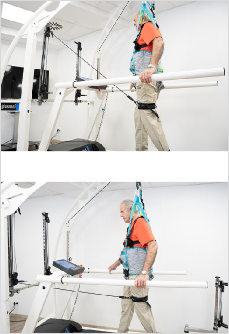
Figure 17. Tensile force of the expanders as a function of the angle of pull.
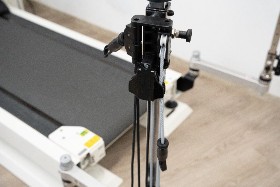




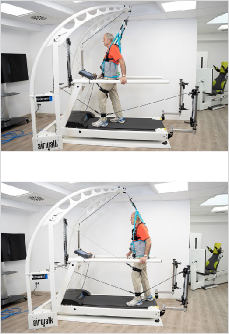
Figure 19. Locking device in the preloading element Figure 18. Tensile force of the expanders as a function of position
Options for adjusting the direction of tension: In order to achieve gait correction, e.g. when guiding the leg laterally, it is possible, on the one hand, to rotate the front expander bars inwards or outwards (see Figure 21). On the other hand, it is possible to swivel the rear expander bars in different directions (see Figure 21). More variation possibilities with regard to gait correction are offered by the robomove® module, which can be positioned anywhere in the room (see Figure 22).
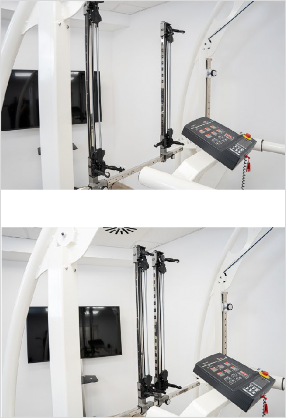
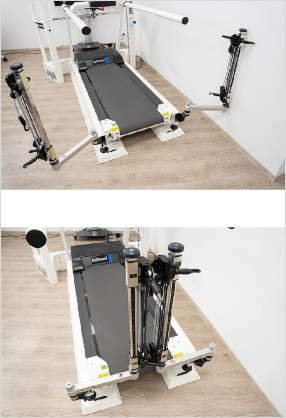








Figure 21.Moving the front expander bars Figure 20. Pivoting the rear expander bars
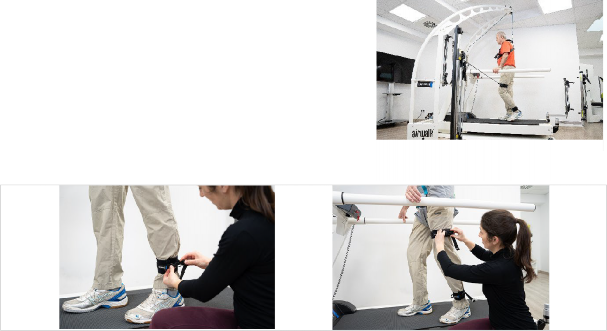
[5C] Putting on the cuffs and expander
The leg cuffs are attached at two points: approx. one hand width above the knee joint and the other approx. one hand width above the ankle joint (see Figure 23). The expanders are hooked into the loops of the cuffs using the spring hooks. To detach them, simply pull off the spring hooks at their opening (see Figure 24). To involve the arms in the training, straps can be used instead of the leg cuffs (see Figure 25).
Figure 22. Variation of the tensile direction with the robomove®




Figure 23. Putting on the leg cuffs
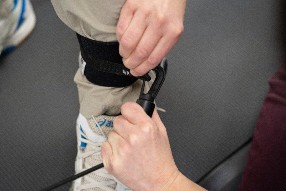
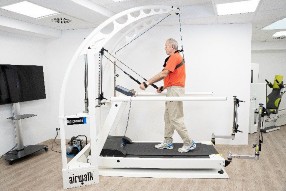








Figure 25. Removing the spring hooks Figure 24. Training with arm straps
The expanders can also be attached to the vest of the body weight support system. This makes it easier, for example, to shift the weight to the left and/ or right side (see Figure 26).
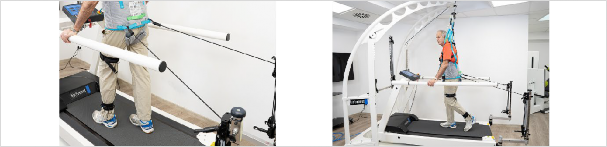
Figure 26. Expanders on the vest.




cloud.hpcosmos.com/s/robowalk_fig_26
[6] Exercises for treadmill therapy with neurological and orthopedic gait disorders
[6A] Exercises according to difficulty
The following describes exercises on the treadmill that can be used for gait training depending on the level of impairment and its severity. The level of difficulty is graded from easy to complex. The choice of exercises depends on the individual ability level. In principle, the therapy sessions should be designed in such a way that training takes place at the performance limit, but not beyond it. The difficulty of the exercises should be increased from easy to complex in the course of therapy. In addition, the degree of support should be successively reduced. This applies in particular to the support function of the body weight support system, the handrails and the active gait trainer robowalk® (see Figure 27).
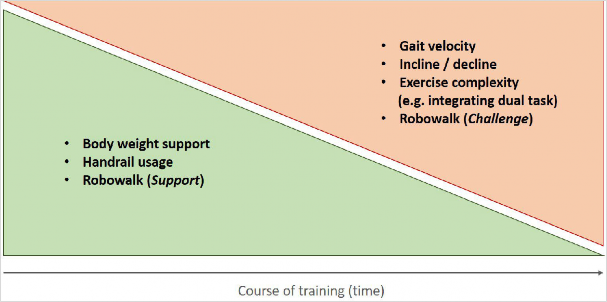
Figure 27. Determination of the degree of difficulty in the course of training.
Before beginning treadmill training, consideration should be given to whether the patient will train with or without footwear. It may be beneficial for some patients to walk on the treadmill without shoes to promote proprioception. In other cases, however, it may be necessary to perform the training with the patient's usual footwear, for example, if special insoles or splinting are required.
[6A1] Difficulty level 1: walking at a comfortable speed, with the support of the body weight support system airwalk® ap and with the help of the handrails.
Determination of body weight support: The patient's body weight is relieved to such an extent that weight transfer is facilitated in the stance phase. This enables severely impaired patients to take steps, if necessary, with manual guidance of one or both legs or with the aid of the robowalk® (see Chapter 6B). Study results from stroke research indicate that partial unloading of up to a maximum of 30% of body weight is useful (Mehrholz et al. 2015, Neuroreha after stroke). In clinical practice, it has proven useful to start with a maximum unloading of only 10% of the body weight to ensure sufficient proprioception and to promote an adequate stance phase.
Adjustment of the handrails or arm supports: The lateral setting of the handrails or arm supports determines their degree of support when holding on. The more medially (= close to the body) the handrails or arm supports are adjusted, the more the patient can use them for stabilization. The further laterally (= away from the body) the handrails or arm supports are set, the less they are used for stabilization (see Figure 28).
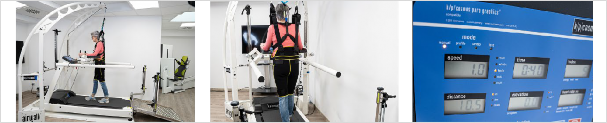



Figure 28. Walking in the lower difficulty level with medially adjusted arm supports and low speed.
| ||||||

Use of a metronome: In order to promote the rhythm of the gait pattern and thus positively influence the cadence and the step length, the use of a metronome is suitable. The patient is instructed to synchronize his steps with an acoustic signal (see Figure 29). A gait speed of 2 km/h corresponds approximately to 60 bpm (beats per minute) on the metronome. A metronome is available, for example, as a free cell phone app.
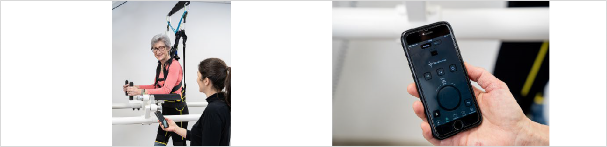


Figure 29. Walking with metronome
| ||||||


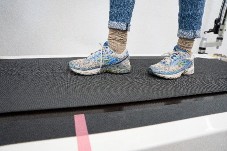
Use of coloured markings: To have a direct influence on the stride length, it is suitable to apply coloured markings to the edge of the treadmill, e.g. in the form of coloured adhesive strips. Depending on the indication, they can be taped to one or both sides. The patient is instructed to reach the height of the adhesive strips with the tip of his foot (see Figure 30).



[6A2] Difficulty level 2: Walking with successive reduction of support
Figure 30. Coloured marking

Reduction of body weight support: The body weight support is gradually reduced over the course of therapy, e.g. by 3% per therapy session. The aim is to walk without body weight support as far as possible at the end of the therapy phase.
Holding on to the handrails: Several strategies can be used to minimize the use of the handrails or arm supports. The goal is to walk freely or with minimal support required by the handrails or arm supports at the end of the therapy phase.
Adjust handrails or armrests further laterally (= away from the body).
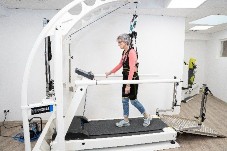
Use a handrail on one side, i.e. only hold on with one hand, if possible alternating between left and right handrail (see Figure 31)
Reduce the amount of force with which the patient holds on
Reduce the gripping surface on the handrail, i.e. instead of gripping the handrail with your fist, just place the palm of your hand or a few fingers on it, or hold it with your thumb and index finger in a two-finger grip.
Attach elastic bands to the handrail (on one or both sides), which the patient grasps instead of the fixed handrail (see Figure 32)


Incorporate short intervals in which the patient walks without using the handrails
Figure 31. One-sided holding
| ||||||
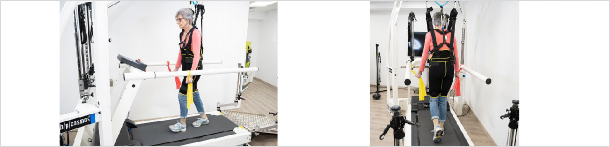



Figure 32. Holding on to elastic bands


[6A3] Difficulty level 3: Walking in different speed sectors
Increasing speed: Initially, the focus is on increasing gait speed. This can happen within one training session, e.g. by increasing the treadmill speed by 25% within 30 minutes, or during the course of therapy, e.g. by gradually increasing the treadmill speed by 5% per training session. Info: The following is a prerequisite for independent walking ability outside the home environment: minimum walking speed = 3.96 km/h and minimum walking distance = 500 meters (Lamprecht).
Variation of speed: The next step should be to start varying the gait tempo, i.e. walking alternately in the comfortable, slow and maximum speed sectors. The speed changes should be increasingly rapid in order to practice accelerating and decelerating walking. Tip: Training with different speed intervals can be programmed via the treadmill terminal.
[6A4] Difficulty level 4: Walking on slopes and inclines
Walking downhill: A minimal slope of 2-5% is perceived by some patients as relieving, as the body's center of gravity can be shifted forward more easily. As the slope increases, so does the demand, especially on the muscle activity of the knee extensors.




Walking uphill: An incline of 1-2% can be used to simulate the resistance of walking on normal ground. A patient should therefore train with an incline of at least 2% from an intermediate point within the course of therapy in order to achieve a transfer of training success that is suitable for everyday use. In principle, the requirement increases with increasing incline, especially for the muscle activity of the hip extensors.
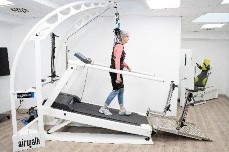
Figure 33. Going downhill
[6A5] Difficulty level 5: Forward, sideways and backward walking
Practicing different gait modes: When walking sideways and backwards, different gait modes are practiced. Muscle activity of different muscle groups is trained or strengthened in a more targeted manner. For example, walking sideways specifically targets the hip abductors and adductors. Note: Slow backward walking can be perceived as a relief in patients with severe impairments, so it can also be used at the lower difficulty level.
Alternating gait mode: To promote coordination and reaction skills, a
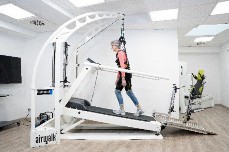
Figure 34. Walking uphill
faster alternation between forward, sideways and backward walking can be incorporated (see Figure 35).
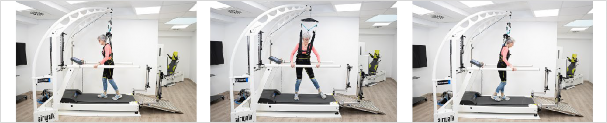
Figure 35. Forward, sideways and backward walking










youtu.be/iXEHpsdI6y4 cloud.hpcosmos.com/s/robowalk_fig_35

[6A6] Difficulty level 6: Integration of cognitive dual tasks
Training walking under additional tasks is necessary to achieve automation of movement sequences and to practice the complex requirements of walking in everyday situations. For example, the patient should be able to pay attention to traffic while walking.
Cognitive dual tasks can be integrated as follows: Initially walk in the comfortable speed sector, increasingly also in the slow and fast speed sector
Enumeration of a shopping list,
Count backwards in steps of 7 starting from any number,
Solve simple math problems set by the therapist,
Recite a cake recipe from memory,
Perform "Stroop exercise". The "Stroop exercise is based on a neuropsychological test used to assess attention resources and corresponding deficits. While walking, the patient is instructed to first read out words from a blackboard, then to name colours, and finally to name colours of words that denote a deviating colour (see Figure 36). The Stroop test can be downloaded from the following link, for example: https://www.memozor.com/memory-games-to- print/words/stroop-effect-game (last access: 18.04.2023).



[6A7] Difficulty level 7: Integration of motor dual tasks
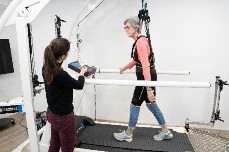
Figure 36. Stroop exercise while walking

Motor dual tasks can be integrated as follows: Initially walk in the comfortable speed sector, increasingly also in the slow and fast speed sectors
Head movements alternately up and down, then alternately right and left (see Figure 37),
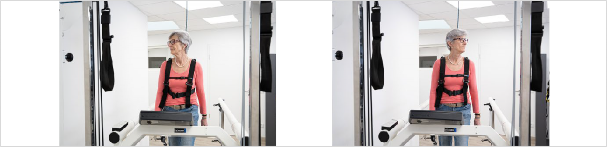



Figure 37. Alternating head movements to the left and right.
| ||||||
Carry a shopping bag or comparable (see Figure 38)
Grab items from a table on one side of the treadmill and place them back on a table on the other side
Throw and catch a harmless object, e.g. a soft ball (see Figure 39).



[6A8] Difficulty level 8: Integration of combined dual tasks
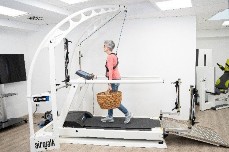
Figure 38. Carrying a basket while walking

Combined Dual tasks can be integrated as follows: Initially walk in the comfortable speed sector, increasingly also in the slow and fast speed sector
Recognize colours/shapes in combination with head movements: Finding markers in the room, e.g. green triangle to the right of the patient, red circle behind the patient, etc...
Identify word meaning in combination with catching a ball or change in gait mode: Catch the ball if the therapist names a city, turn around and walk backwards if the therapist names a country.
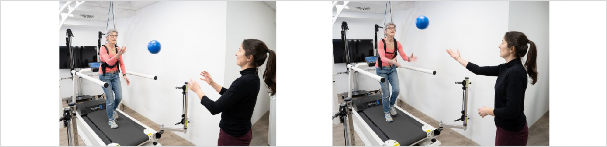


Figure 39. Throwing and catching a ball while walking


cloud.hpcosmos.com/s/robowalk_fig_39

[6B] Exercises with the active gait trainer robowalk®
In the following, exercises with the active gait trainer robowalk® are described, divided into "Support Mode" and "Challenge Mode". The exercises can ideally be combined with the exercises described above according to the difficulty level (see chapter 6A).
[6B1] Exercises in support mode
The forward movement of the leg in the swing phase can be supported with the aid of the active gait trainer robowalk®. A suitable application is shown in Figure 40. The upper expander, which is placed just above the knee, helps with hip flexion and the lower expander, which is placed above the ankle, supports knee extension. As these two expanders pull the leg forward due to their mechanical nature, the rear expander provides a counterforce that slows down this process, making the movement smooth. In addition, the rear expander, which is attached above the ankle joint, helps to lift the foot at the end of the stance phase (facilitated foot clearance). Depending on the indication, this system can also be used to support both legs (see Figure 41).
By rotating the front expander supports or swiveling the rear expander supports, the direction of pull of the expanders can also be varied (see chapter 5B). The gait pattern can be corrected in this way during treadmill training.
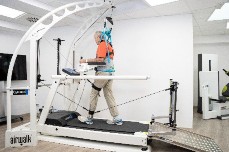
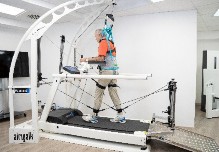
Figure 40. Single-sided installation of the robowalk® active gait trainer in support mode.
Figure 40. Both sides of the robowalk® active gait trainer in support mode.
| ||||||



[6B2] Exercises in Challenge Mode
The exercises in Challenge mode are sorted by muscle groups, which are trained in line with functional strength training with the help of the expander cables.
Hip flexor training: The patient walks forward on the treadmill. The rear expander pulls are applied to the leg cuffs above the knee joint. To achieve an increase in intensity, the treadmill can additionally be set to incline (see Figure 42).
Hip extensor training: The patient walks backwards on the treadmill. The rear expander cables are attached to the leg cuffs above the knee joint (see Figure 43). This attachment helps to strengthen the gluteal muscles in particular. In order to additionally involve the ischiocrural muscles, the attachement can instead be made to the leg cuffs above the ankle joint (see Figure 44).
Hip abductor training: The patient walks sideways on the treadmill. A rear expander pull is applied to the leg cuff above the knee joint (see Figure 45). Alternatively, resistance can be applied via the robomove® module placed on the side of the treadmill (see Chapter 5B). In this case, the patient walks forward on the treadmill. The expander pull of the robomove® is applied to the leg cuff above the knee joint and exerts a pull from the medial side (see Figure 45).
Hip adductor training: The patient walks sideways on the treadmill. An anterior expander cable is attached to the leg cuff above the knee joint. The direction of the running belt is reversed (reverse belt rotation, see Figure 46). Alternatively, resistance can be applied via the robomove® module, which is placed on the side of the treadmill (see Chapter 5B). In this case, the patient walks forward on the treadmill. The expander pull of the robomove® is applied to the leg cuff above the knee joint and exerts a pull from the lateral side (see Figure 46).
Knee extensor training: The patient walks forward on the treadmill. The rear expander cables are attached to the leg cuffs above the ankle joint (see Figure 47).
Torso stabilization training: The arm straps can be used to perform torso stabilization exercises (see Figures 48 and 49). In addition, the arm swing can be actively trained against resistance (see Figure 50).
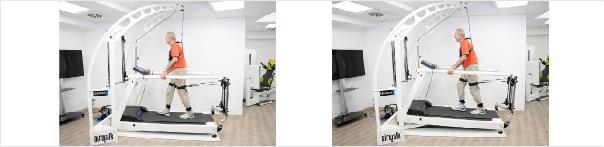
Figure 41. Hip flexor training without and with incline.
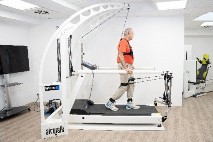
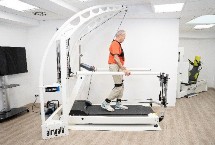




Figure 42. Hip extensor training (gluteal muscles). Figure 43. Hip extensor training (ischiocrural muscles).
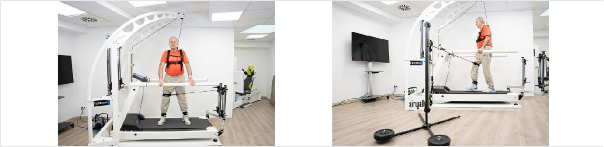
Figure 44. Hip abductor training with different expander systems.
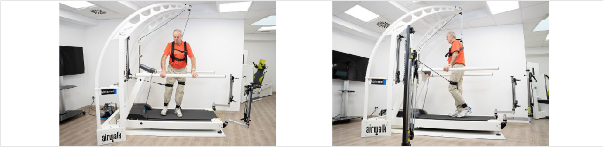




Figure 45. Hip abductor training with different expander systems.
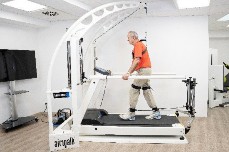
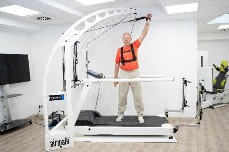








Figure 47. Knee extensor training Figure 48. Training of the lateral trunk muscles.
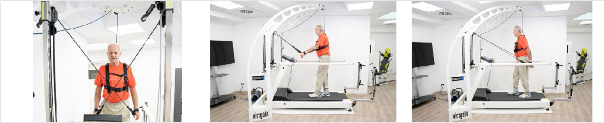

Figure 49. Training of the posterior torso muscles.



youtu.be/ETOG2wBaUuI cloud.hpcosmos.com/s/robowalk_fig_49

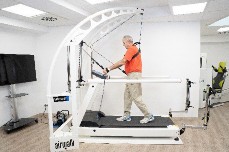




Figure 50. Training of the active arm swing

[7A] Hemiparetic gait (e.g., stroke, traumatic brain injury).
Mrs. F. is 66 years old and lives with her husband in an apartment on the second floor of an apartment building. She suffered a stroke 3 weeks ago, which was initially treated in an acute care hospital for 14 days. She is currently in an inpatient rehab facility. As a result of the stroke, she has right-sided hemiplegia and motor aphasia. The leg muscles of the right side are predominantly affected by paresis, currently without spasticity. She can stand by herself; for walking, she requires a walker and an assistant. Her mobility status is classified as Category 1 of the Functional Ambulation Categories.
The treadmill therapy is performed in difficulty level 1 (see Chapter 6A1). To enable weight transfer to the right leg, your body weight is relieved by 10% with the help of the airwalk® ap. The arm supports are positioned close to the body to ensure stabilization on the one hand (see Figure 28) and to adequately support the affected right arm during gait training on the other. The treadmill speed is 1.2 km/h. This speed is determined together with the patient on the basis of the patient's own weight. This is determined together with the patient based on her ability level. A coloured marker is attached to the edge of the treadmill so that the patient can orient herself when taking the right step (see Figure 30). Due to the severe impairment, the forward swing of the right leg is supported with the help of the active gait trainer. The unilateral support mode is used for this purpose (see Figure 40). The training duration is initially 20 minutes. Sitting breaks (with the help of a stool placed on the treadmill) are taken as needed.
[7B] Paraparetic gait disorder (e.g., multiple sclerosis, traumatic spinal injury)
Mrs. B. is 42 years old and lives with her husband and two children in a first floor apartment on the outskirts of town. When she was 27 years old, she was diagnosed with multiple sclerosis of the relapsing type. The degree of impairment is currently rated as 5.0 on the EDSS scale. She can walk a distance of 100 meters with a walking stick and without resting. She uses an electric scooter to cover additional distances. The hip and knee extensors are affected bilaterally by mild paresis. In addition, adductor spasticity is evident depending on her daily state. Her mobility status is classified in category 3 of the Functional Ambulation Categories.
Treadmill therapy is performed at difficulty level 3 and 4 (see Chapters 6A3 and 6A4). When walking on the treadmill, she does not need body weight support, only fall protection. To train gait endurance, both treadmill speed and incline are progressively increased over the course of a therapy session. Over a period of 45 minutes, the speed changes from an initial 3.0 km/h to 3.8 km/h and the incline from 0° to 5°. The active gait trainer robowalk® can be used either in challenge mode, e.g. to additionally strengthen the hip abductors (see Figure 45), or in support mode to support the forward swing of the legs, e.g. to counteract premature fatigue (see Figure 41).
[7C] Gait disturbance after surgical insertion of total hip arthroplasty
Mr. W. is 71 years old, widowed and lives in his own house with a large garden. 14 months ago a total hip joint endoprosthesis was inserted on the left side. After a favourable healing process and intensive training both in an inpatient rehabilitation clinic and in an outpatient practice, there is still a strength deficit in the hip abductor region and a resulting mild Duchenne limp. Occasionally, he complains of lumbar back pain. He finds walking up stairs tedious and feels somewhat unsteady on uneven surfaces. His mobility status is classified as Category 4 of the Functional Ambulation Categories.
Treadmill therapy is performed at difficulty level 5-8 (see Chapters 6A5 - 6A8). When walking on the treadmill, he does not need weight support, only fall protection. Walking forwards, sideways and backwards (see figure) is combined with the active gait trainer robowalk® to achieve strengthening of the leg muscles. The focus is on training the hip abductors (see Figure 45) and hip extensors (see Figures 43 and 44). In addition, the torso muscles are integrated into the functional training (see Figure 48). To increase the level of difficulty, various cognitive, motor and combined dual tasks can be set.
Abbasian S, Rastegar Mm M. Is the Intensity or Duration of Treadmill Training Important for Stroke Patients? A Meta- Analysis. J Stroke Cerebrovasc Dis. 2018 Jan;27(1):32-43. doi: 10.1016/j.jstrokecerebrovasdis.2017.09.061. Epub 2017 Nov 3. PMID: 29108807.
Holden MK, Gill K, Magliozzi MR, Nathan J, Piehl-Baker L. Clinical gait assessment in the neurologically impaired: reliability and meaningfulness. Physical therapy 1984, 64(1), 35-40.
Lamprecht S, Lamprecht H. Training in neurorehabilitation - medical training therapy, sports and exercises. 2015. Thieme Publishers
Mehrholz J (editor). Neurorehabilitation after stroke. 2011. Thieme Publishers
Mehrholz J, Kugler J, Storch A, Pohl M, Hirsch K, Elsner B. Treadmill training for patients with Parkinson Disease. An abridged version of a Cochrane Review. Eur J Phys Rehabil Med. 2016 Oct;52(5):704-713. Epub 2016 Mar 4. PMID: 26940123.
Mehrholz J, Thomas S, Elsner B. Treadmill training and body weight support for walking after stroke. Cochrane Database Syst Rev. 2017 Aug 17;8(8):CD002840. doi: 10.1002/14651858.CD002840.pub4. PMID: 28815562; PMCID: PMC6483714.
Polese JC, Ada L, Dean CM, Nascimento LR, Teixeira-Salmela LF. Treadmill training is effective for ambulatory adults with stroke: a systematic review. J Physiother. 2013 Jun;59(2):73-80. doi: 10.1016/S1836-9553(13)70159-0. PMID: 23663792.
Robinson AG, Dennett AM, Snowdon DA. Treadmill training may be an effective form of task-specific training for improving mobility in people with Parkinson's disease and multiple sclerosis: a systematic review and meta-analysis. Physiotherapy. 2019 Jun;105(2):174-186. doi: 10.1016/j.physio.2018.11.007. Epub 2018 Nov 15. PMID: 30876717.
Valentín-Gudiol M, Mattern-Baxter K, Girabent-Farrés M, Bagur-Calafat C, Hadders-Algra M, Angulo-Barroso RM. Treadmill interventions in children under six years of age at risk of neuromotor delay. Cochrane Database Syst Rev. 2017 Jul 29;7(7):CD009242. doi: 10.1002/14651858.CD009242.pub3. PMID: 28755534; PMCID: PMC6483121.

sports
quasar®

cycling & athletics
saturn® med 300/100r

performance diagnostics
pulsar® med 3p
German Engineering since 1988




inline skating
saturn® med 300/125r

fitness
pluto® / mercury® / quasar® / pulsar®
functional training
pulsar® med 3p + robowalk®

motion analysis
quasar® med
cross country skiing skating / biathlon
saturn® med 450/300rs

expander training
robomove®
Rollstuhl
saturn® med 300/125r

bike ergometer
torqualizer®
speed training / speedlab®
quasar® 3p

biomechanics gait parameters
optogait



active gait correction
robowalk® expander / mercury® med
senior fitness
mercury®
orthopaedic rehabilitation
mercury® med / arm support / airwalk® ap
cardiac rehabilitation
mercury® med
body weight supported treadmill therapy
© 04/2023 h/p/cosmos [cos14963-01-app-man-en] Errors and omissions excepted. h/p/cosmos is certified according to EN 13485 for medical treadmills.
All technical data, descriptions, equipment variants and illustrations of devices, options and accessories are non-binding, in particular do not represent warranted characteristics and can deviate from offer and delivery.
airwalk® ap / mercury® med

angiology
mercury® med
gait analysis / biomechanics
gaitway® 3d with force and pressure measurement
cardiovascular stress testing / CPET
mercury® med
locomotion therapy

locomotion® med 150/50
therapeutic bar training
parawalk®



environmental & climate chambers
quasar® med 3p with

external UserTerminal
h/p/cosmos dealer contact:
biomechanics
gaitway® 3d
military / army
quasar® special version
manufacturer
speed training
sprint trainer comet®
fire fighter ladder training & fitness
discovery®


 h/p/cosmos sports & medical gmbh
Am Sportplatz 8
83365 Nussdorf-Traunstein
Germany
phone: +49 86 69 86 42 0
fax: +49 86 69 86 42 49


sales@hpcosmos.com www.hpcosmos.com


skype: @hpcosmos.com (search & select name) youtube: youtube.com/hpcosmos
twitter: twitter.com/hpcosmos 
 facebook: facebook.com/hpcosmos









